
6 Ways to Start Detoxing Your Interiors
Bringing awareness to what we ingest
You buy organic food, wash your clothes in eco detergent and choose cotton or linen clothing but how much thought do you give to the materials used in your home? Do you spend time considering the materials in the fabric of your building, the chemicals in your sofa and fabrics or the VOCs in your paint?
Sustainable design : using products that leave the planet in the same or a better state isn’t just about doing better by our planet, it is also about taking care your own wellbeing. We spend the majority of day indoors and every single item in our home impacts our health, either negatively or positively. We are not seperate from nature, polluting nature also pollutes us!
This is a guide to help you begin to think about how you select the materials in your home and is central to every decision we make at Becky Harrison Interior Studio.
1) Paint
Everytime you use paints within your home, they “off-gas” which means they release chemicals often VOCs (Volatile Organic Compounds). You may well have noticed this as that “new” smell items have when used or taken out of their packaging. (I still remember vividly the smell of My Little Ponys when you took them out the packet, I loved it then, now I realise how toxic that smell was)
The mainstream paint industry is suspiciously quiet on the subject of what their products contain. There are no regulations that state they must list them and so most do not. The majority of mainstream paints have a high plastic content which is a bi-product of drilling for oil, this causes immense environemental damage in production, waste and in its disposal.
Look towards companies such as Edward Bulmer, COAT Paints, YESColours & Earthborn Paints.
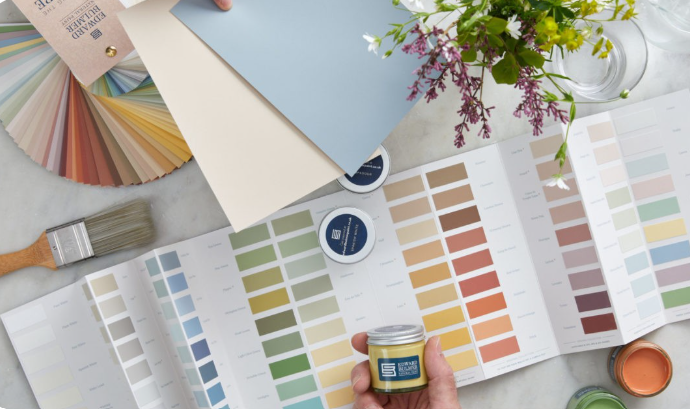
Edward Bulmer Paint
If you’d like to read more about the impact of paint Edward Bulmer has written an excellent article on the topic here
2) Flooring
Similar to paint, flooring will also release VOCs so we want to look to choose the best options we can to minimise the off gassing that takes place in our homes.
Let’s look at the 2 main offenders :
Carpet
Carpet is a popular choice in the northern hemisphere due to our cold winters and you may think you have been smart by selecting a carpet that is made from a natural material but dont forget to look at the backing material and bonding agents use as many of them are made from chemicals such as 4-PCH, aromatic compounds and formaldehyde.
I would encourage you to also be considerate of carpets made from recycled materials, yes the impact on the environment might be less by buying a carpet made of recycled plastic bottles but you are then bringing more plastic into your home which ideally we want to avoid.
Choosing natural materials such as wool which are naturally fire retardant and therefore not treated with chemicals.
LVT
Luxury Vinyl Tiles are extremely popular currnetly due to its durability and because it is budget-friendly. However it is worth checking the manufacturing processes because some have been found to have phthalates in them, which can be harmful due to off-gassing and affect indoor quality.
Rolled vinyl flooring is typically higher in off-gassing risk levels.
Best Alternatives = Cork, wool, sisal and solid wood
3) Sofas
Almost all sofas are toxic. Did you know that rubbish centres treat them as hazardous waste? The toxicity mainly comes from the petrochemical foam inside, because it is made from petrol and therefore extremly flamable they are treated with fire retardant chemicals to comply with UK fire safety test laws. On the surface this seems like excellent logic but these chemicals don’t bond with the foam meaning over time they off gas entering our bodies (via our skin, our largest organ) and our airways. The chemicals known as POPs (Persistent organic pollutants) are endocrine disruptors and there is a consultation happening currently to address their use.
Look towards companies that make sofas by hand , using natural materials (that are naturally fire retardant) and are based in the UK such as Slow Sofa, Planted Furniture and Schplendid
4) Furniture
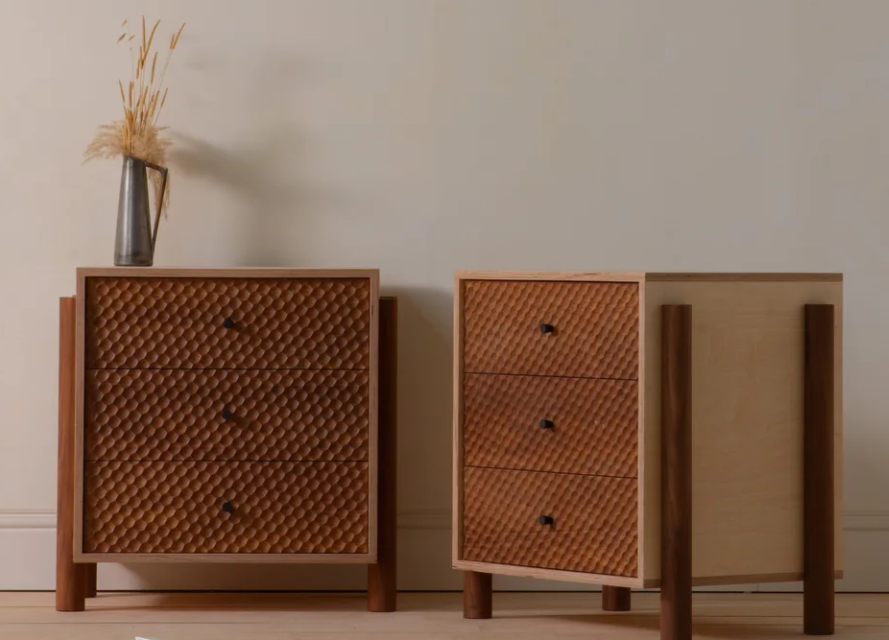
Furniture should not be disposable. When its cheap it ends up being so. Hand crafted furniture is not a cheap option but it will literally last your lifetime and beyond which makes it excellent value.
Anything flat pack is usually made with chipboard or MDF which basically tiny bits of material held together by glue which is then covered in plastic veneer or coated in powdered pigment. These materials then off gas into our homes.
Solid wood is always the answer. Preloved, vintage and antique are your friends (any nasties in the varnish or paint will have vanished years ago)
Look to companies who use solid wood sourced and made in the UK such as Konk, Still & Bloom and Artichoke.
5) Candles
Designing for all your senses is a core priniple at Becky Harrison Interior Studio and we love to pair our designs with a signature scent.
Scent became incredibly important to me during the COVID lockdowns as I craved smells in a way I had never even been aware of before. I’m not unique in this as candles are now available in most shops you enter from DIY, food shops, bargain shops and interior stores BUT they are not all created equal and some of the materials used to make them can be incredible harmful to our bodies.
1st is the wax, check what type it is as paraffin (yankee candles are made of this) releases carcinogens into the air when they burn. Soy wax is better but usually grown in mono crop planataions on the other side of the world.
Look for beeswax with natural wicks.
2nd take a look at how the candle is fragranced. There is no obligation for manufacturers to disclose the ingredients so make sure you are asking. Even essential oils aren’t always as natural as they may seem as they often contain additives to inhibit the flamability of the oil.
Making our Homes Less Toxic to Support our Wellbeing
Improving how well our home supports our wellbeing is a core value for Becky Harrison Interior Studio and central to every decision we make. I hope that this article has made you think differently about the materials within your home. We want you to be informed and perhaps even scared of these toxic chemicals so that we conscious choice not to allow them to enter our homes. If we stop buying them, suppliers will have to change what they use in them. You have so much power, please use it.
We work with private clients across the South West, including Bath, Bristol, the Cotswolds, Dorset, Somerset Devon and Cornwall delivering full-service interior design from concept through to completion.
If you are planning a project and would like to explore working together, you can learn more about our approach on our Services page or get in touch below.